Case Study

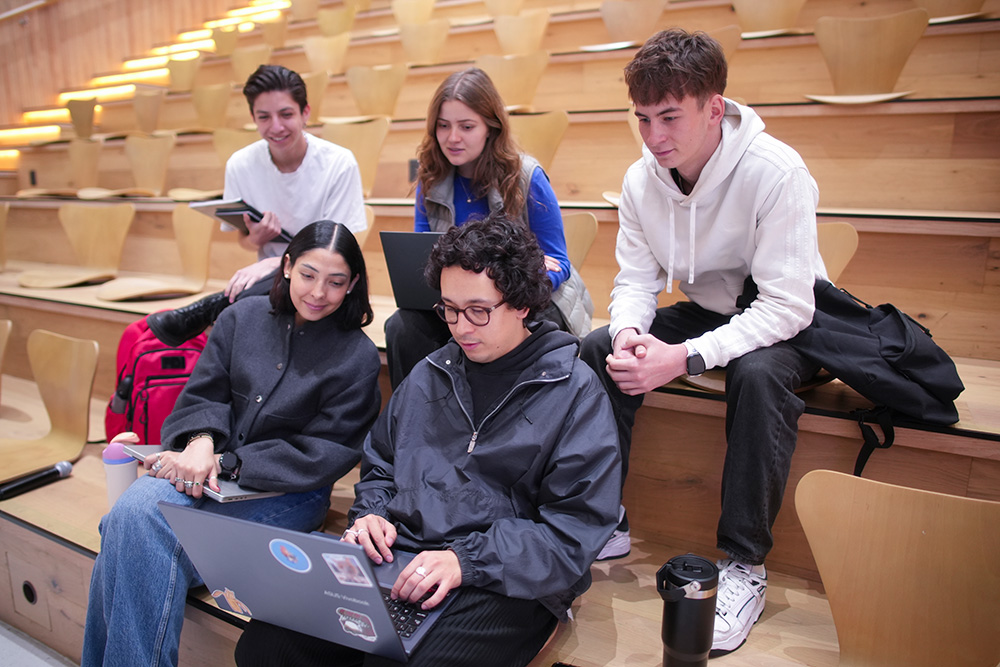
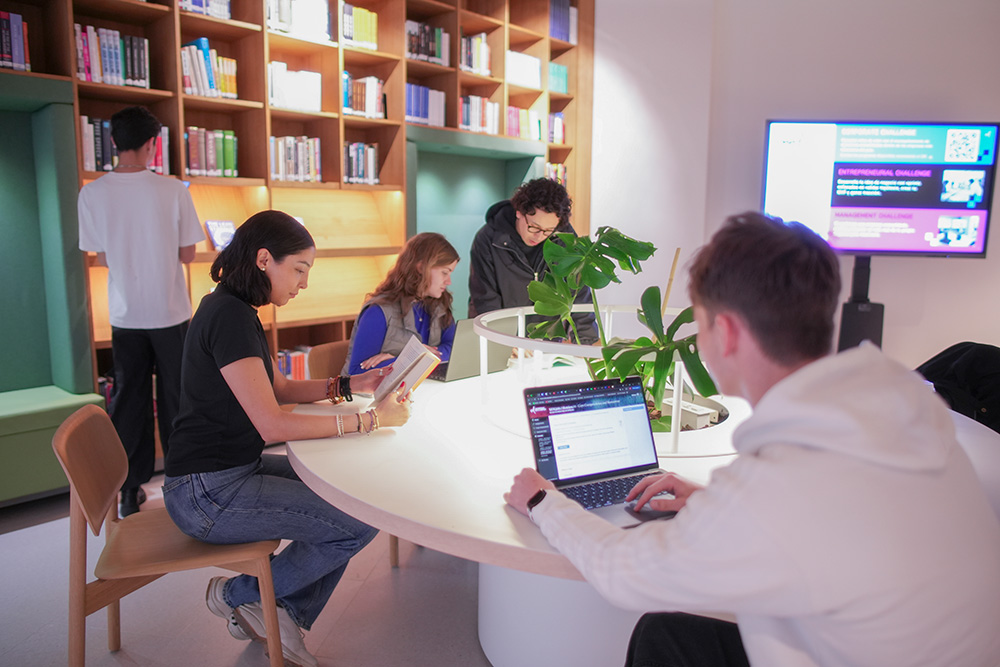
Latin America has become an unsung global leader in higher education reform. The region has quietly been building momentum as institution after institution innovates to provide market-leading programs for students from diverse backgrounds.
But, while glimmers of higher education innovation were beginning to take shape, the system still remained largely unchanged. And, it remained an incoherent system — where learners were eager to leave as soon as they entered, and where learners raced to finish their degrees without considering the purpose of higher education in the first place.
Ricardo Salinas, founder and chairman of Grupo Salinas, one of Latin America’s most influential business conglomerates, saw this. From the outset, Salinas assembled a constellation of strategic partners to ensure that UL was not merely novel but pedagogically rigorous. His vision was to create a university for students who think freely — to intentionally and thoughtfully design a new model to prove that education could be reshaped around individual liberty and entrepreneurial ambition.
Universidad de la Libertad was born to buck tradition. The idea that an institution focused squarely on skills could promote economic activity and support local communities is what inspired the foundational principles. To give learners the durable, transferable skills to become entrepreneurial-minded well before they graduate, was part of the plan from day zero.
To bring this to life, he would need both the right team and the right model to ensure outcomes not just once students graduated, but after the first week of classes. Minerva Project, a leader in innovation having launched Minerva University, named the world #1 most innovative university by WURI, and having worked with dozens of other institutions to innovate their programs, was a natural collaborative fit.
Just two years in, in 2025, Universidad de la Libertad was named the #1 most innovative university in Mexico by WURI, and retained this recognition again in 2026. To have partnered with the most innovative institution, and then become the most innovative, was a clear indicator that it was working. Early success indicates that the model set out by UL is unique, market-verified, and truly the first-of-its-kind in Mexico.
The students who choose to study at UL are young entrepreneurs and leaders with a strong sense of agency. They are united by a belief that their generation has both the opportunity and the obligation to reshape Mexico’s economic future.



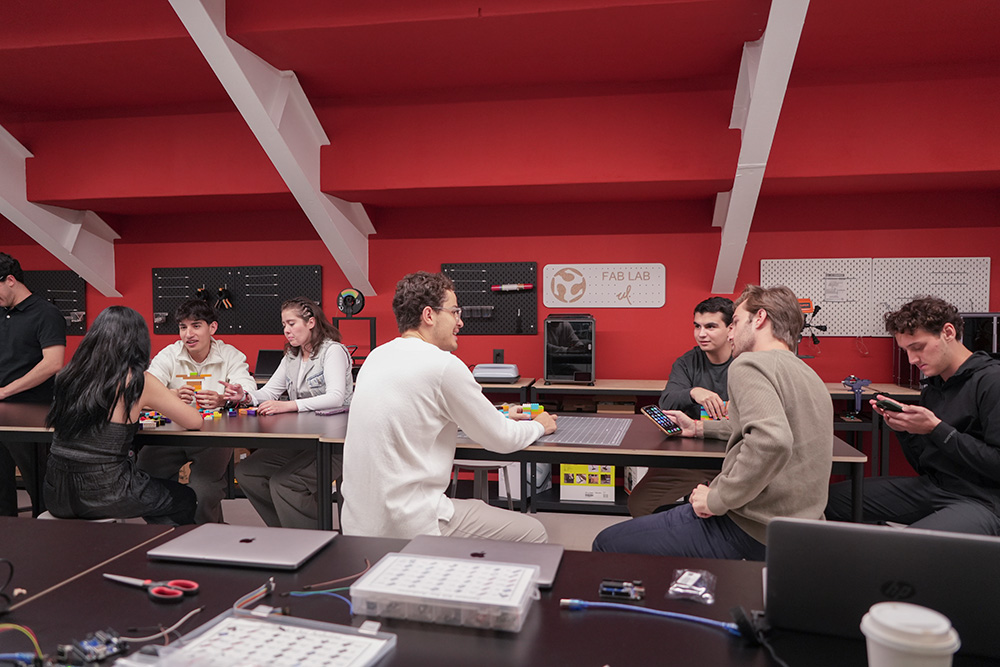

By starting a university from scratch, UL also had the opportunity to diverge from traditional benchmarks for what it means to be successful. Rather than measuring institutional success and impact by how many graduates land jobs after graduation, UL measures success based on economic impact, which starts long before graduation.
The philosophy that economic impact begins during university manifests itself in several ways — learners are encouraged to take time off to pursue business opportunities and return to their studies when they are ready. Most undergraduate students are also working in some capacity, and use that opportunity to test the ideas they learn in the classroom and apply them immediately. UL encourages learners to be bold from day one, and to actively disrupt the status quo, much like the foundation on which the university was built.
UL has integrated embedded experiences with other organizations, or to bring a start-up idea to life through PEEL (Professional Experience in Work Environments) courses, which all students take. Employers use specific learning outcomes that are used in coursework at UL to provide feedback and score students.
A university focused squarely on entrepreneurship is a relatively new concept, but is already demonstrating profound results in the types of initiatives Libertad students are involved in during their studies, and those that they create on their own.
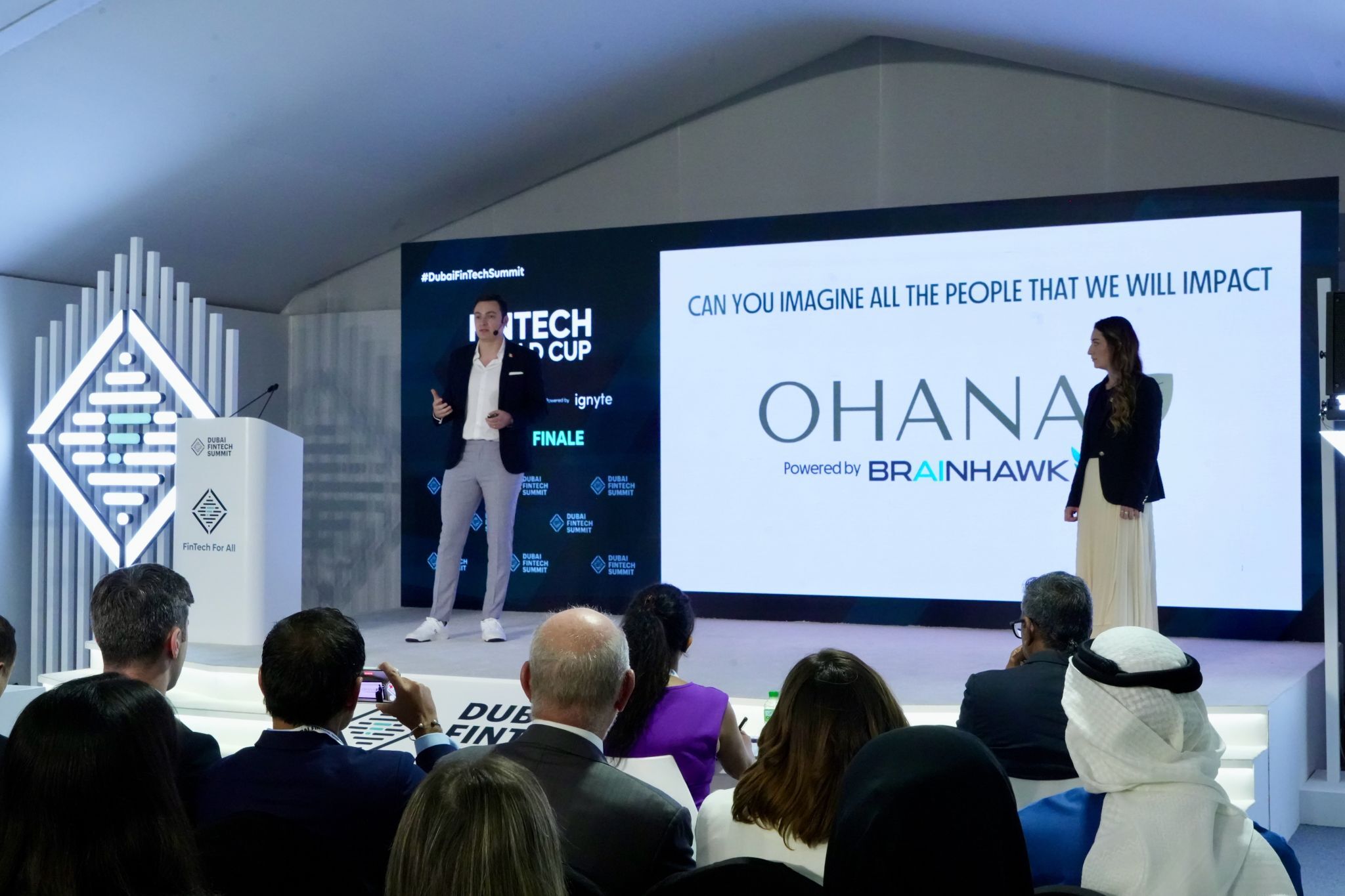
Led by Co-CEOs Victoria Díaz-Cuervo Pueblita and Stefano Gabriele Motti Novoa, alongside CTO Ignacio Zinser and Emiliano Pérez Correa, OHANA powered by Brainhawk is a fintech venture developing a character-based credit scoring model. In 2025, the company was named one of eight global finalists at the FinTech World Cup at the Dubai FinTech Summit, selected from more than 200 startups worldwide — spotlighting Mexican-led innovation on a global stage.
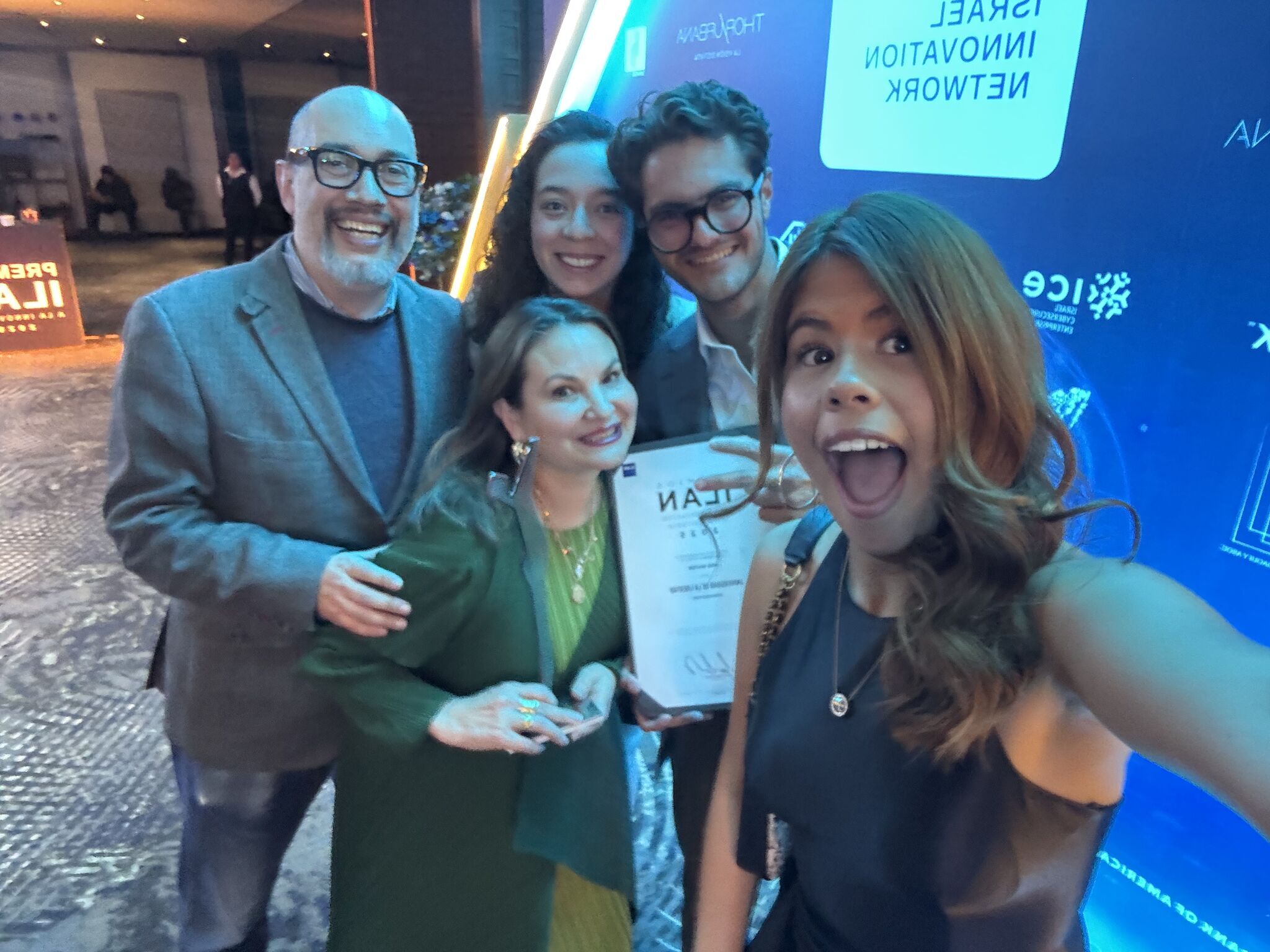
Shakti Crosthwaytt, Fernando Poo Rugarcía, and Alida Alvarado competed at a global innovation competition hosted by the Israel Innovation Network (ILAN), where one participant earned an Honorable Mention — the highest distinction awarded. Their ventures stood out for their strong business fundamentals and real-world implementation, an approach ILAN noted was uncommon among students from other Mexican universities.
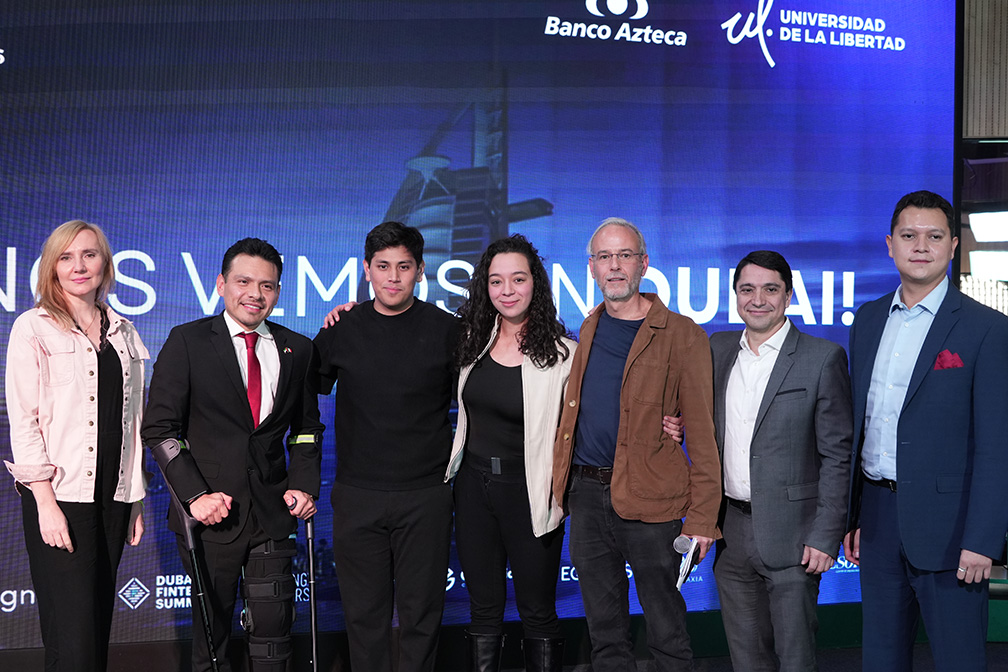
Highlighting UL students Ricardo Barrón, Shakti Crosthwaytt, and Diana Piedrola, is a fintech marketplace for Mexico’s events industry that formalizes transactions by linking payment to the verified, documented delivery of services. With an MVP already live in production, the team recently won Fintech World Cup México, earning the opportunity to represent Mexico at the Dubai FinTech Summit Grand Finale — a milestone that showcases UL’s student-led innovation on an international stage as Arkus prepares to launch a real-user pilot and scale across social and corporate events nationwide.
Rodrigo Bautista and Anniel Chávez are developing INSUMA, a certified medical-supplies marketplace that connects patients and clinics with verified providers to enable delivery in under 24 hours. The team is currently in a validation and strategic development stage — building their MVP while forming partnerships with medical-sector suppliers to pilot the platform — and the project has already sparked early investor interest following their pitch.

Universidad de la Libertad did not undertake reform of the old educational model — they, like Minerva, demonstrated that an entirely different one is possible. From the beginning, the entire learning journey was considered, which is why they have since started development of a professional learning track beyond, and as an extension of, the undergraduate experience. Using the same skills taxonomy across both undergraduate and professional programs ensures that learners encounter and build upon the same foundational competencies throughout their educational journey at every level.
This integrated approach reflects UL's core belief: education shouldn't end at graduation, and learning shouldn't be confined to a single life stage. By creating pathways that serve students in all aspects of their personal and professional development — from entrepreneurship to leadership to continuous skill-building — Universidad de la Libertad is building an ecosystem where liberty means the freedom to learn, grow, and create impact for the individuals it reaches and for society at large.
For more about Universidad de la Libertad: www.ulibertad.edu.mx/es
For more about Minerva Project: www.minervaproject.com
